Polishing
Polishing is removing scratches via abrasive compound and buffing — reducing case thickness 0.03–0.08mm per cycle. Three or more polishes drop modern Rolex resale 10–15% and vintage 25–35% because the process removes chamfers and changes original finishes. Never polish before selling.
Definition
Polishing uses:
- Abrasive compound — specialised paste (Cape Cod, Polywatch for DIY; industrial-grade in shops)
- Wheel buffing — high-speed rotating wheel
- Hand work — detail finishing by hand
Per cycle, this removes:
- Case: 0.03–0.08mm metal
- Bracelet: 0.02–0.05mm link thickness
- Lug: chamfer (edge) flattened
Why collectors avoid it
1. Chamfer flattening
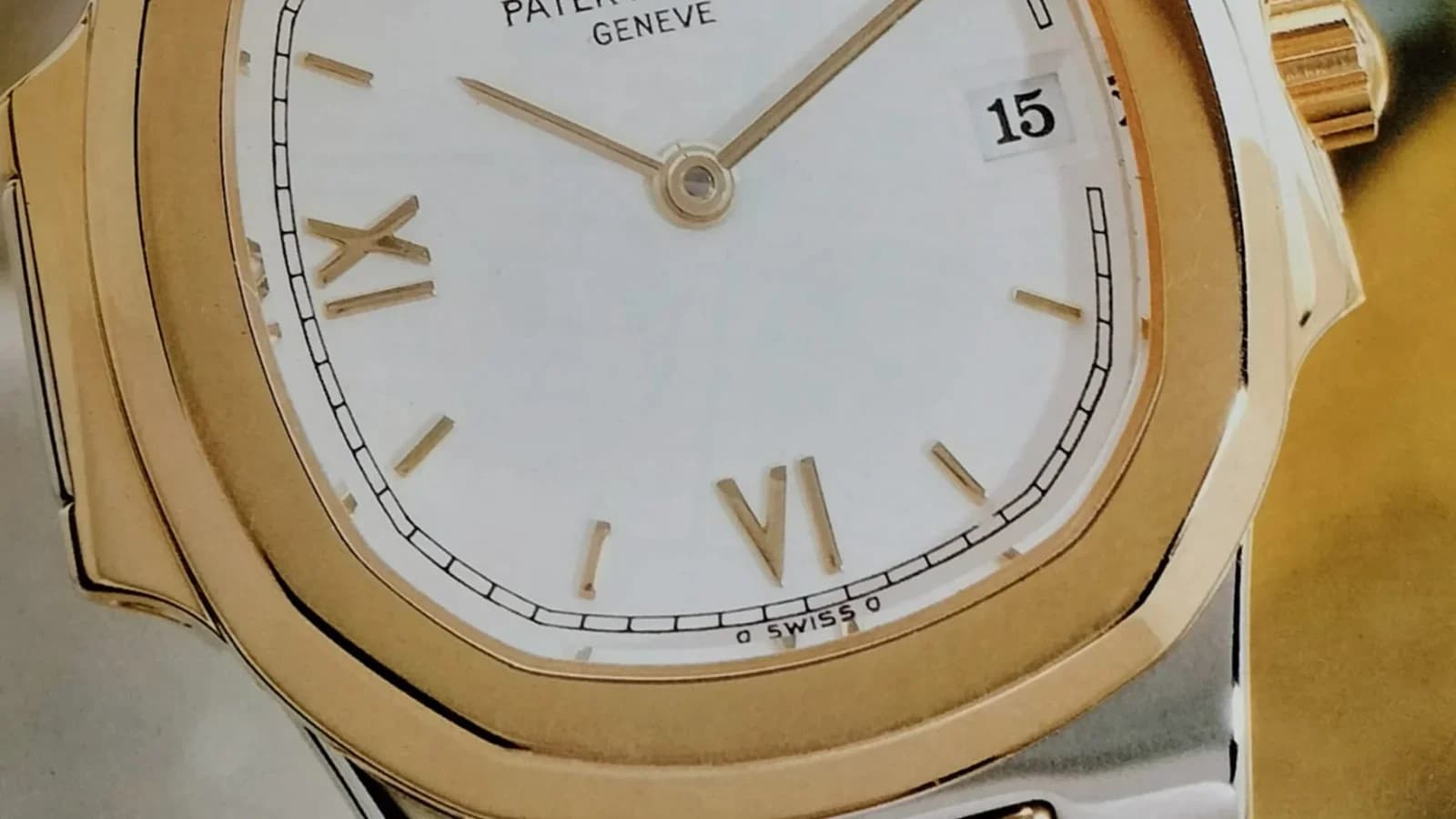
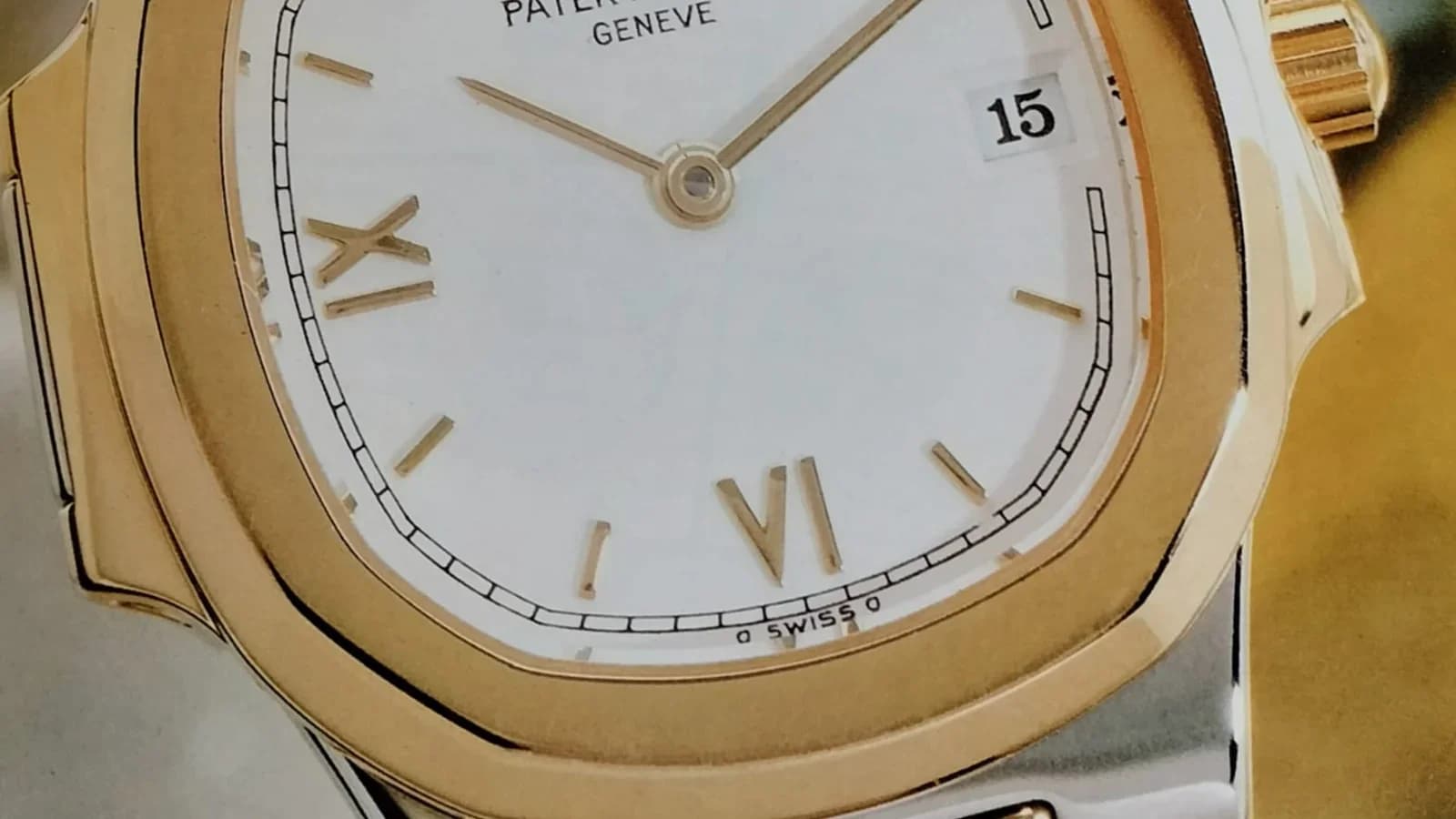
Rolex and AP cases are designed with sharp chamfers — a visual signature:
- Rolex Submariner case: 45° chamfer at lug edge
- AP Royal Oak case: chamfer at "tonneau" edge
- Patek Nautilus: chamfer at "ear" (lugs)
Polishing flattens these → case looks rounded → original character lost.
2. Brushed finish → mirror
Rolex Sport Steel ships with brushed finish on top of case and bracelet centre links:
- Original: parallel brushed lines visible
- After polish: mirror-polished surface
Dealers detect via 30x optic — see the surface pattern change.
3. Bracelet stretch accelerates
Polishing thins links → pin-to-link friction increases → bracelet stretches faster.
Detection
Edge sharpness
- Original: crisp lug, bezel, caseback edges
- Polished: rounded edges
Brushed pattern
- Original: uniform brushed lines
- Polished: no brushed lines or only partial
Case width measurement
- Original Rolex 41mm: 41.0mm
- 1 polish: 40.92–40.97mm
- 3 polishes: 40.80–40.90mm
Dealers measure with electronic calipers.
Reflection pattern
- Original brushed: matte reflection
- Polished: mirror reflection — glass-like
Resale impact
| Polish status | Modern Rolex | Vintage Rolex |
|---|---|---|
| Never polished | Baseline (+2–4%) | Premium +20–40% |
| 1 polish | -2 to -4% | -10 to -15% |
| 2 polishes | -5 to -8% | -18 to -25% |
| 3+ polishes | -10 to -15% | -25 to -35% |
| Heavy polish (chamfer lost) | -15 to -22% | -35 to -45% |
Polishing types
Authorised Service Centre polishing
- Rolex Service Centre Riviera Group performs "light polish" during service
- Follows Rolex spec
- -2 to -4% — acceptable range
Independent polishing
- Bangkok watchmakers
- Quality varies
- -8 to -15% on average
Heavy commercial polishing
- Heavy wheel use
- Flattens chamfers
- -18 to -25%
Restoration polishing (vintage)
- "Like-new" polish
- Destroys collector value
- -30 to -50%
Seller playbook
Don't
- Never polish yourself — even Polywatch
- Never use MBK-level jewellers — frequently flatten chamfers
- Never polish vintage — collectors require original
Do
- Light polish at Rolex Service Centre Riviera Group — only if service is needed and dealer specifically asks
- Keep service papers documenting any polish work
- Sell as-is — professional dealers prefer unpolished watches
Forbidden materials
- Cape Cod: destroys brushed finish
- Polywatch: for acrylic crystals only — never on case
- Brasso, Silvo: harsh chemicals that ruin surfaces
- Toothpaste: myth that damages watches
How to safely clean light scratches
- Wipe with dry microfibre cloth only
- Use Rolex original polishing cloth for light cleaning
- Don't rub — gentle dabbing only
- No chemicals
Send watch photos to assess polish history via LINE — we grade and don't over-deduct for minor polishing.
Sources: Rolex Service Centre polishing protocol · Watchmaker Forum Asia chamfer preservation guides · WatchCharts polishing impact data